
Although coverage by social media is more often than not negative, social media has played a substantial role in arbitrating the communication of information regarding Brexit. In this post, Daniel Farley, features some of the ways in which social media has become key to national and international responses to the phenomena of Brexit and how social media platforms have become an essential stage for public discourse and debate of Brexit.
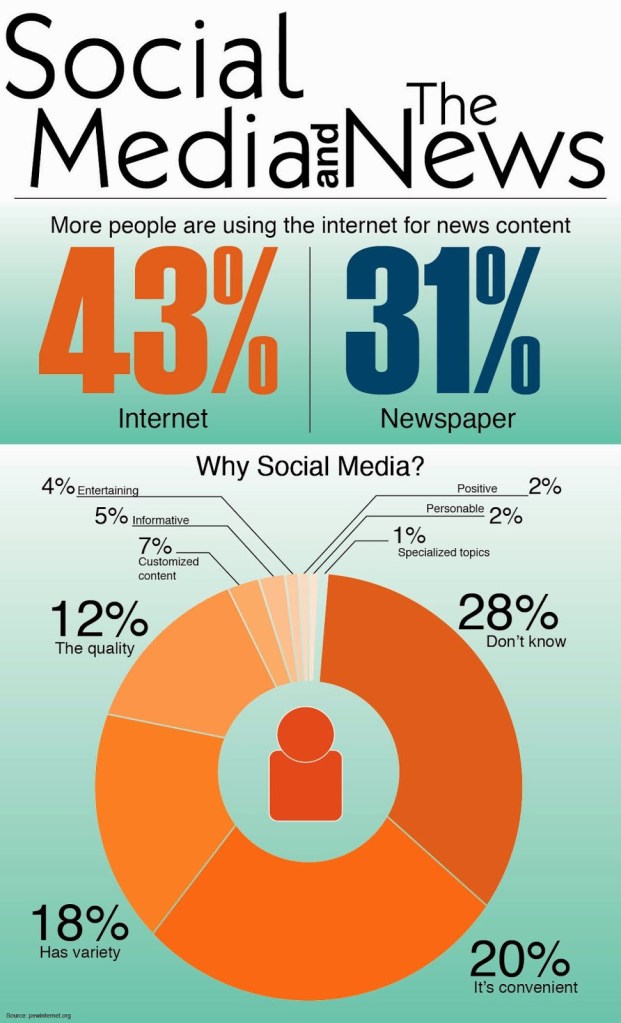
Since initial reports, Brexit has come to dominate the news, with conventional news media outlets playing a significant role in disseminating crucial information to the public. As such, the BBC and alternative media broadcasters, have seen a sharp increase in their audiences. Despite this, whilst conventional media outlets have long been subject to critique from a variety of standpoints, Brexit has highlighted the potential for “information pollution” and the negative effects that social media has played.
The possibility of the phenomena of Brexit was acknowledged by Westminster (Parliament) in their proposal to vote on the ‘European Union Referendum Act 2015’, leading to the outbreak of misinformation resulting in mass anxiety and protest. The social impact, regarding Brexit, could be felt throughout the UK, with conspiracy theories linking it to a ‘United Ireland’, ‘derailment of the establishment’ and voter suppression. With many of these theories acquiring trending hashtags on Twitter. Academia is not innocent in all this either, with the sharing of early disclosure on social media and ‘preprints‘, many academic researchers now wrote on the issue of Brexit.
“The negative side of social media shown as evidenced by Brexit. Highlighted by the central role it plays in the discussion and dissemination of necessary information in relation the political precedent of the ‘European Referendum Act 2015 and Brexit!”
The poorly regulated, sharing and exchange of information and knowledge at an exponential rate ensues social media becoming an information battle ground. Creating opportunities and instances of scapegoating, social vigilantism, trolling ,xenophobia and populist rhetoric. The immediate nature of social media platforms mixed with users bad faith and shady algorithmic manipulation, lead to less than desirable outcomes. In times of crisis, society’s unease surrounding social media becomes exacerbated, especially when society’s discourse and understanding have a direct impact on the phemomona. Despite all the positive discord on social media platforms, the negative side of social media shown as evidenced by Brexit. Highlighted by the central role it plays in the discussion and dissemination of necessary information in relation the political precedent of the ‘European Referendum Act 2015‘ and Brexit.
Social Media: It’s Platforms and Participatory News Consumption
Historically, political communication has relied heavily on mass media. Today however, by evolving the traditional dynamics between sender and receiver and enabling instantaneous data exchange, social media now plays a substantial role in political communication. This enables individuals to communicate and mobilise in response to political issues and social movements. An example of this can be seen in the revelation the framing on Twitter of Brexit by member states was deliberate and strategic. User generated content and citizen journalism provided a live and detailed account of Brexit.
The relationship between consumers, contributors and the rest of society has changed, due to the fluid interactive streams of data provided by social media and its many platforms, thus allowing for increased consumption of participatory news. Brexit has demonstrated both positive and negative examples of this, with social media frequently circulating authentic and illegitament information ahead of more traditional media outlets. For instance, my research on MP Sarah Wollaston the ‘Remain’ plant inserted into the ‘Leave’ campaigns exposure was made apparent on social media long before the newspapers and other traditional outlets. The populist movements in America and the so-called bias news coverage, made apparent in the hashtags- BLM and Fakenews other examples of this.
Social Media: Goverment & accountability
As political parties failed to contain the infighting and difference as a result of Brexit, criticism of the government was voiced, social media often being the medium. The UK government, organisations have strategically used social media to broadcast key messages. For instance an array of posts, including meme’s, video’s, opinion pieces, and hashtags resulting in actors from across the political spectrum, open to criticism. The Cambridge Analytical scandal, argued as key to influencing voters, resulted in with Facebook being sued. Right-wing populist rhetoric too also found itself a common feature on social media, Farage and his UKIP party quotes of ‘We Want Our Country Back‘ just one example from an abundant source. Social media becoming the new venue for government accountability from society.
In response the UK government has pioneered the new way in which social media will be held accountable. The UK government has been steadfast in not only the commitment to build a world class digital infrastructure, but also in its attempt to try and regulate it. In order to do so, the Secretary for Digital,Culture, Media and Sport has announced new plans to make online a safer place to be in the UK.
The new rules include;
*Social media firms face the blocking of theirs sites and/or fines of up to 10% of their turnover if deemed as failing to protect society.
*Popular platforms as well as senior managers held responsible for both illegal and legal harms.
*All social media platforms will have a Duty of Care in regard to child wellbeing when using their services.
*Articles and comments sections on news platforms will not be affected by the new laws, as not to deter free speech.
The disruption caused to governments by social media has been so disruptive, that some states have resorted in banning some social media company all together, particularly in the run up to elections as seen in Uganda.
Social Media: Influencers and Communities
The sense of a fractured society are all too common on social media sites, user posts of #Leave and #Remain, clearly illustrating just one of many divides. The incorporation of digital activism, both humorous and offensive populist rhetoric , ensues the easy comprehension and saturation of the message at hand. My research showing actions of social media influencers being present across the political spectrum, often incorporating misinformation.
Figure 1 illustrates the way in which different demographic in society interact with social media platforms according to age, gender and other identifying factors. The ‘Leave’ campaign were deemed more successful than the ‘Remain’ camp at targeting. Witnessed as appropriating their £6000,000 (government grant, issued to fund their respective campaigns), more effectively that that of the ‘Leave’ camp, innovation saw to it that they developed a ‘Leave’ inspired smartphone app. The app , not only a means of harvesting new data on potential Brexit support, also assisted in disseminating key components of the ‘Leave’ manifesto for users.
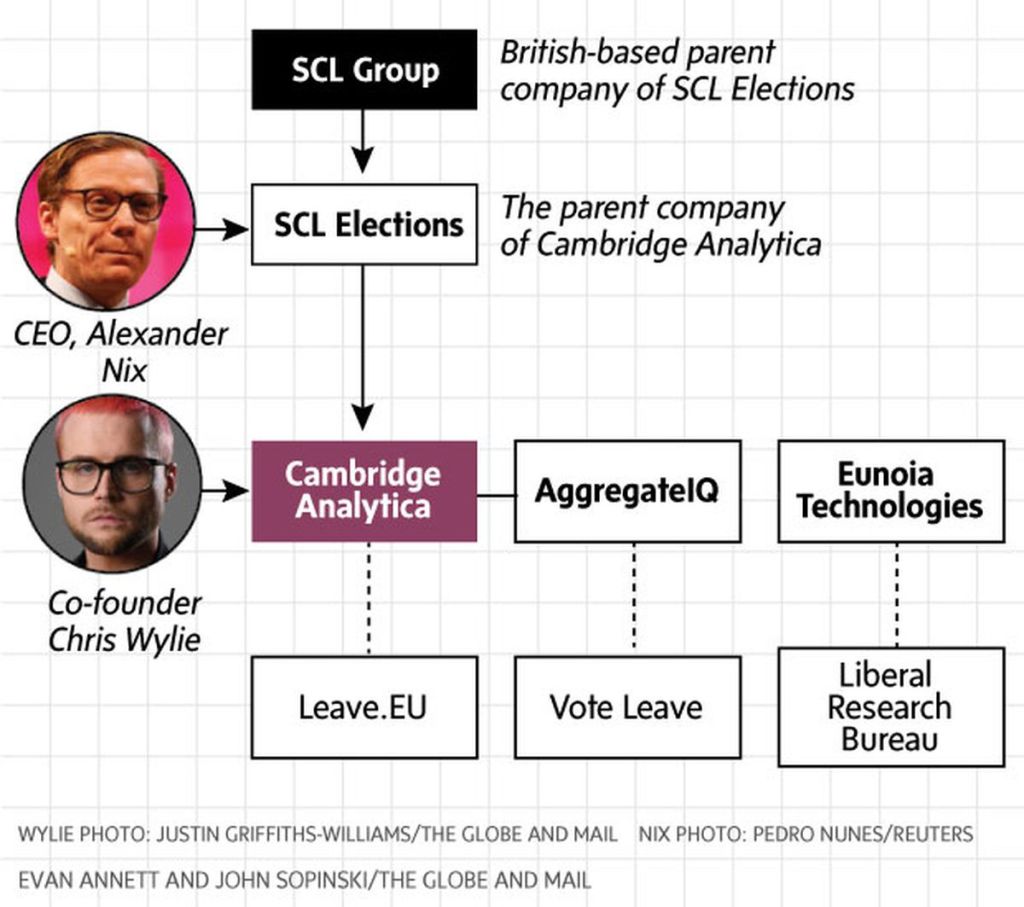
Figue 2 illustrates Cambridge Analytica’s suggested involvement in international phenomena. Including the election of Donald Trump, support for the ‘Leave’ campaign and BN winning the GE13. The confusing chart shows how the not so little data mining and analysis company became exceptionally competent at influencing national and international elections. Using Facebook users profiles they were able use the data provided to target potential voters with ads in their clients favour.
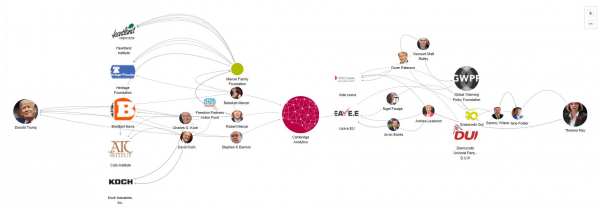
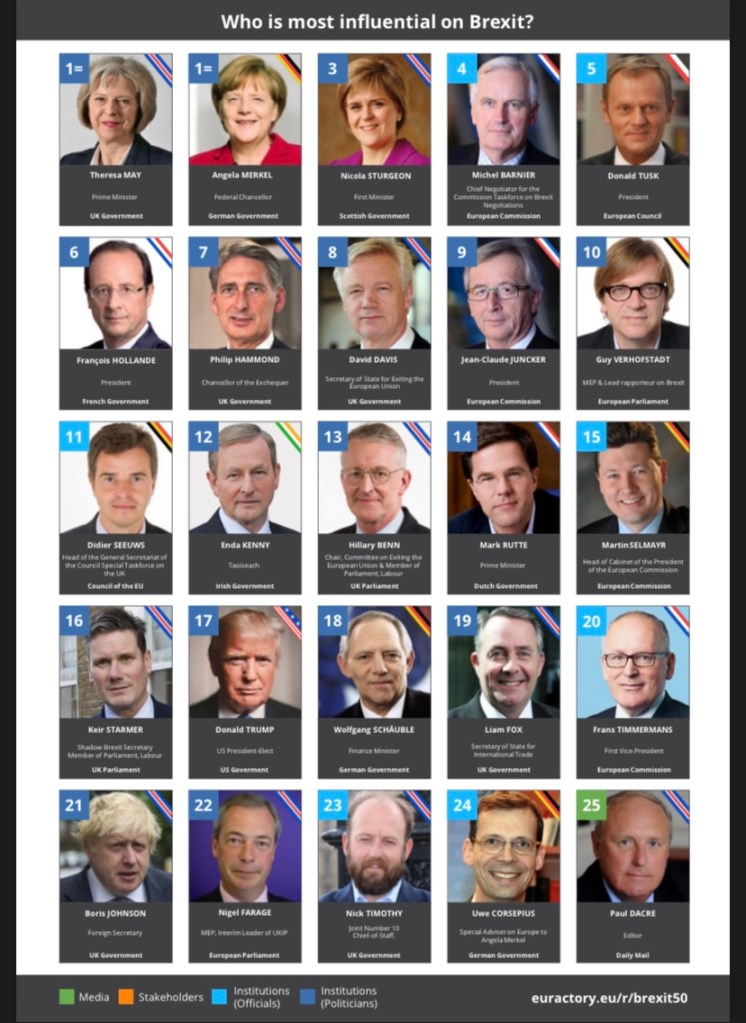
Figure 3 shows the 25 top influencers, for and against, in Brexit. Although the majority all have some involvement in or are from a political background, many if not all took to social media at some point to voice their opinion. Explaining the pros and cons of Brexit whilst also advocating for public participation and support, social media became an excellent tool for deploying both information and misinformation on the populist issue.
Beside political figures, the government and private organisations, the common individual was just an important in influencing surrounding communities. My research showed 64% of the nation now use a smart device, the tweets and re-tweeting on platforms on the likes of twitter, ensued issues surrounding Brexit were heard by the majority of the UK population and beyond.
Social Media: Authenticity and Abuse
In realty it is difficult to police and regulate the communication, as well as it authenticity, of democratised information on social media platforms. However, alongside the government, social media platforms are increasingly playing a part in regulating and policing uploaded data, in order to reduce the dissemination of ‘fakenews’ or misinformation. For example, Facebook in partnership with misinformation watchdogs have formulated a method using advanced algorithms to measure and rank news feeds in order of their validity. Data ‘forwarding limits’ have been introduced by WhatsApp on their smartphone app, in order to minimise the circulation and propagation of misinformation to wider society and Twitter, well…. Twitter went above and beyond.
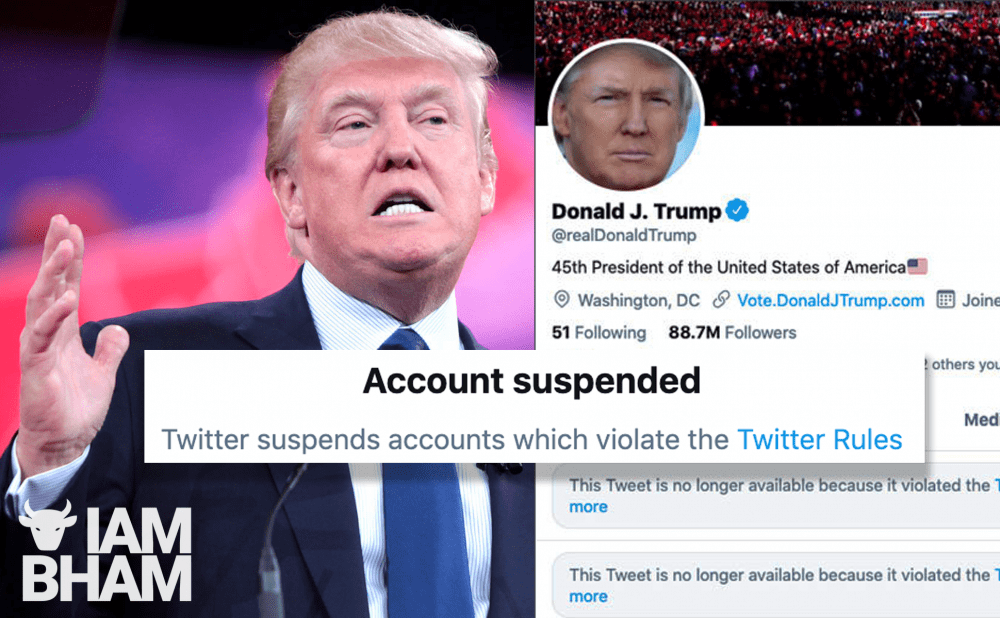
“due to the risk of further violence”
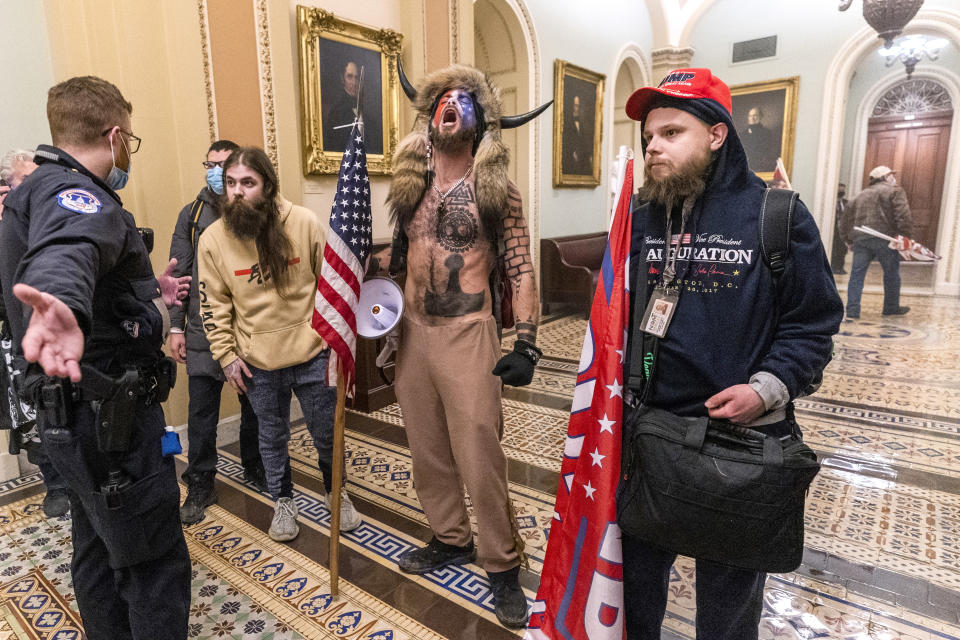
Figure 4 depicts the permanent suspension of the Former American President. Indefinitely banned from the social media platform, by the company due to the risk of further incitement of violence. The decision was made after close review of the tweets and the context around the account @realdonaldtrump. This action was taken shortly after the storming of the US capital, building by self-described ‘patriots’. Although not his first reprimand, it may well be his last on this particular social media platform. Twitter had previously placed warnings on tweets made by Donald Trump, as they were deemed by the company as factually incorrect. The possibility of sanctions became a likely possibility for the company, as its actions led to wider political debate. Policing and regulating the propagation and distribution of misinformation is contested and complex and brings to attention the small margin of difference in which social media platforms such as Twitter, are not only the champions of free speech and communication, but also the arbiters.
With the evolution of social media now being the epitome of modern technology, this type of political and social tension is unlikely to come to a close soon. As even the most advanced measures of technology are susceptible too flaw when incorporating human inclusion or error. As the debate for regulation and policing on social media platforms rages on, Brexit has highlighted the key impact social media has, not only on political discourse, but also the dissemination of information and misinformation.



 Derby Urban Sociology