
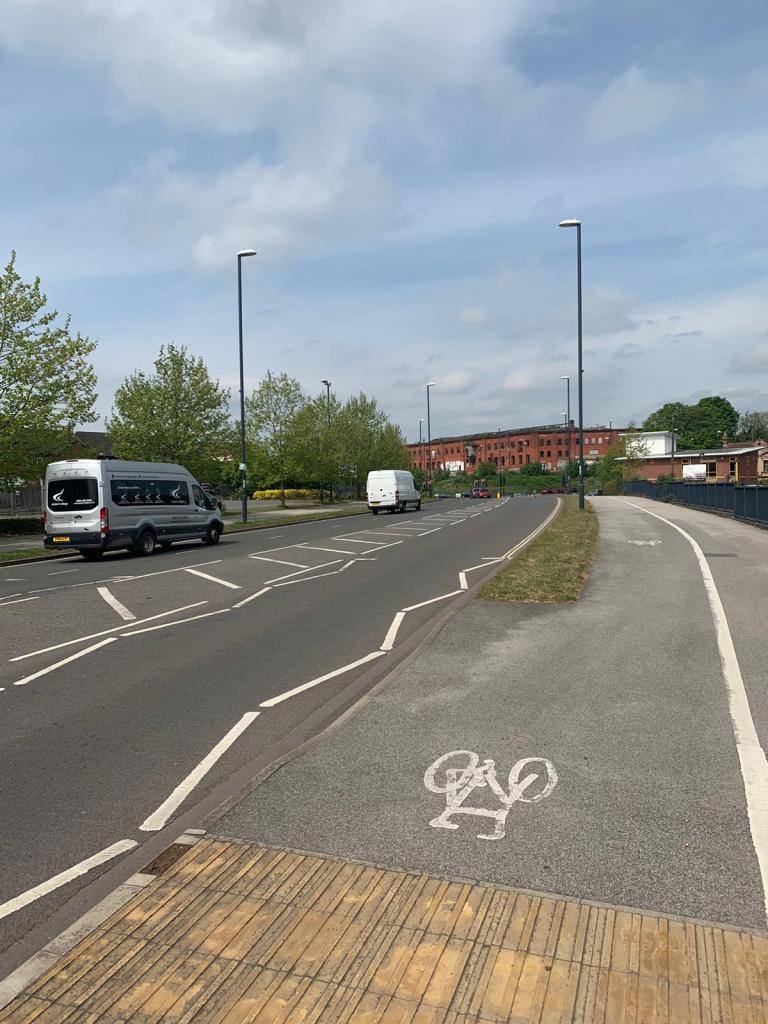
I decided to begin my walk from the end of my street and tour the town. Situated on one side of Lara Croft Way the immediate effects of the city’s development can be seen with the newly installed road leaving numerous new ‘T’ junction dead end roads, that ten year’s previous were accessible from either end. Prior to my walk I had a pre-conceived notion of how I thought it would transpire, after all it was a walk I have undergone hundreds if not thousands of times before. Individually, as part of a couple and/or group, whilst walking the dog, pushing my little one in her pram, on a bicycle, I mean how different minus any extenuating circumstances could or would make it significantly different this time? Well how wrong I was……
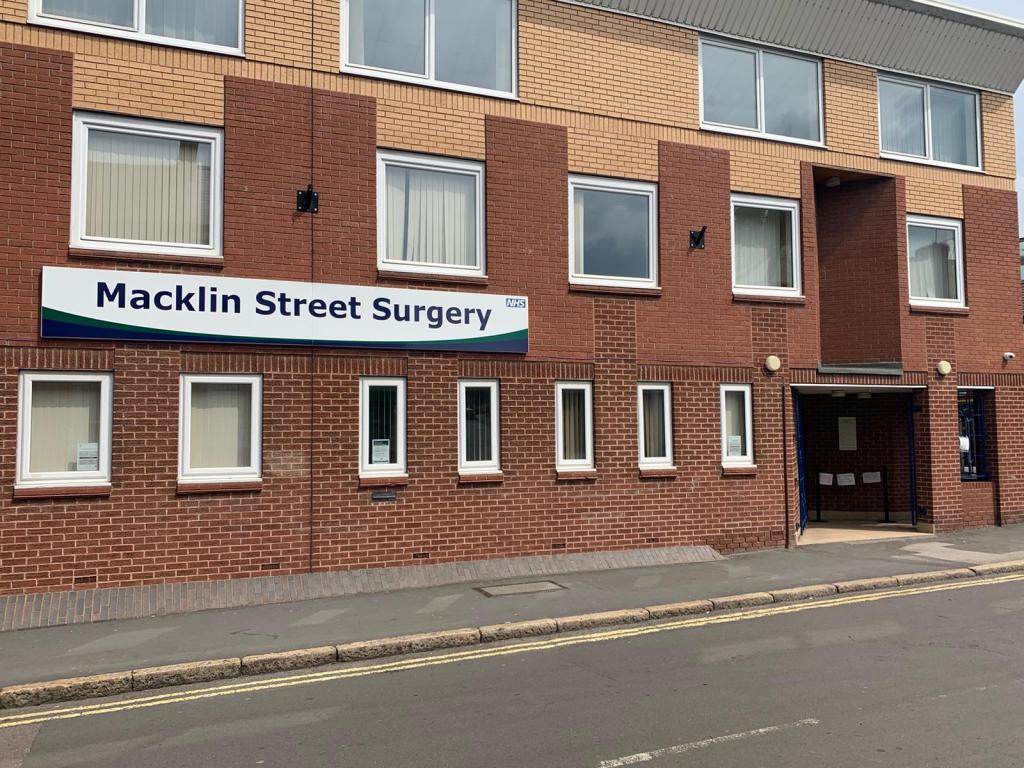
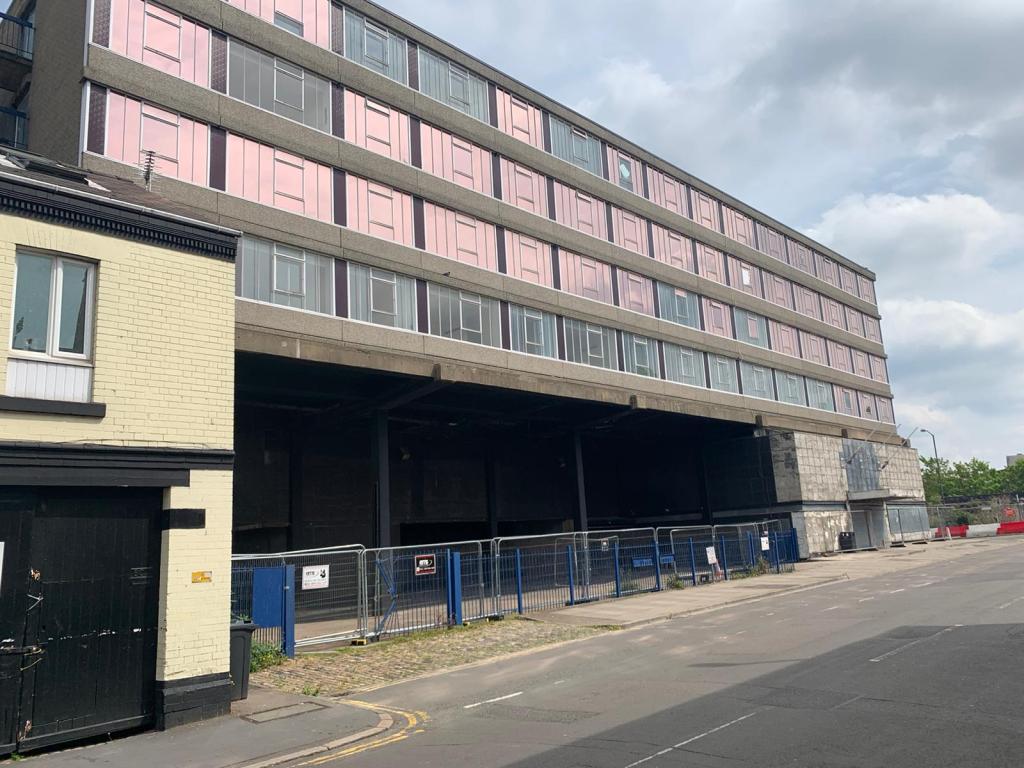
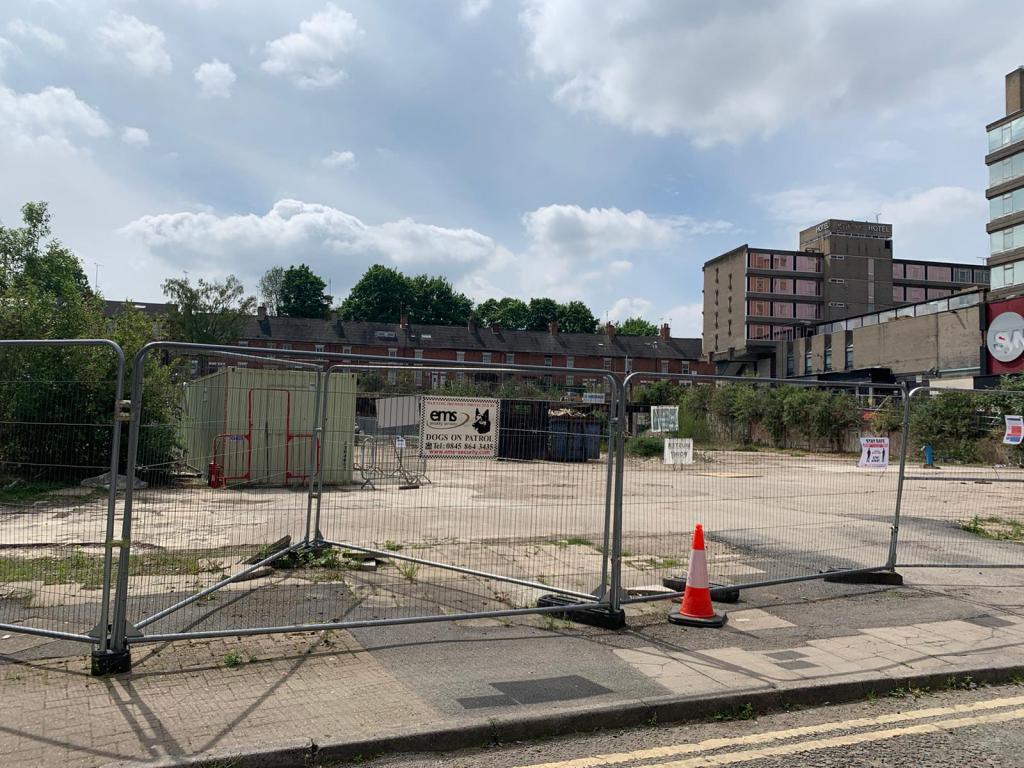
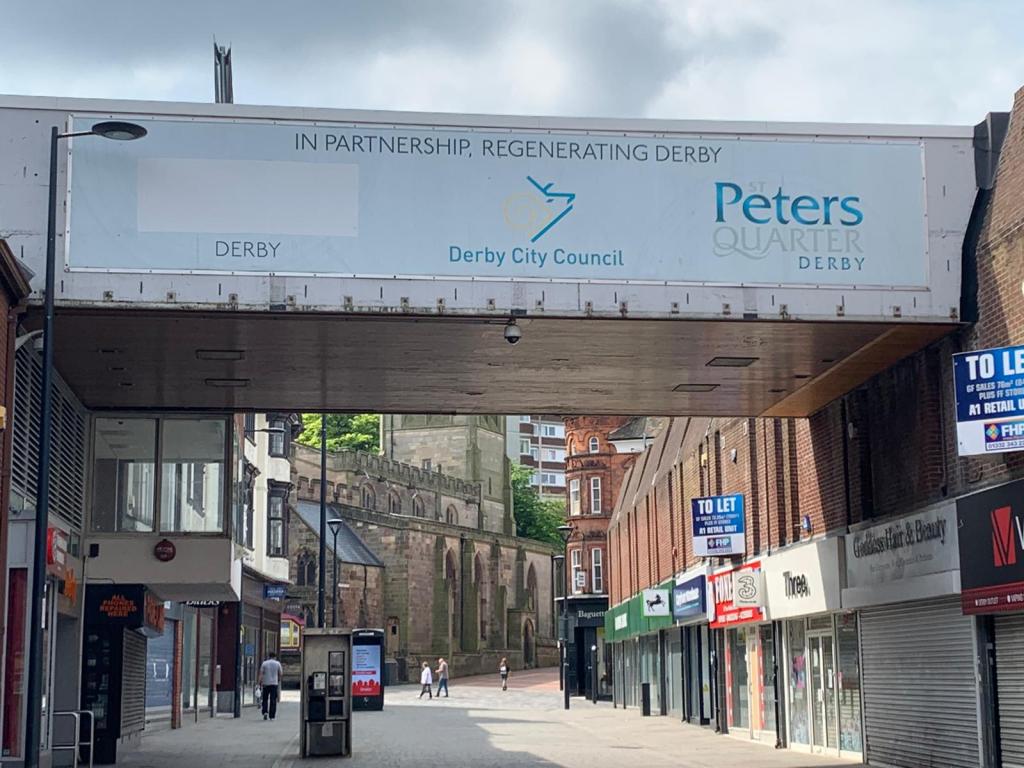
As I walked across a car park, another result of the development of Lara Croft Way, towards Macklin street I started thinking about what I’d include, with the usual surrounding building’s or the lack of some of them stirring up memories of my past. Known over the decades by many names including, but not limited to ‘The Heritage’, ‘Pennine’, ‘The Metro’ and most recently ‘St Peters Quarter Hotel’, now stands boarded up and derelict leads me to the conclusion it probably had more titles than makeovers. Reminds me of the time a friend described its history at a social gathering, detailing it as at a time one the crowning jewels by way of luxury accommodation in the 60’s and 70’s to then in the same breath suggest it essentially became a charge by the hour rather than night establishment by the 90’s. The square pit or rubble that was once home too many small business’s such as the ‘Pink Coconut’, not only brings back many memories for me, but for plenty of Derby locals.
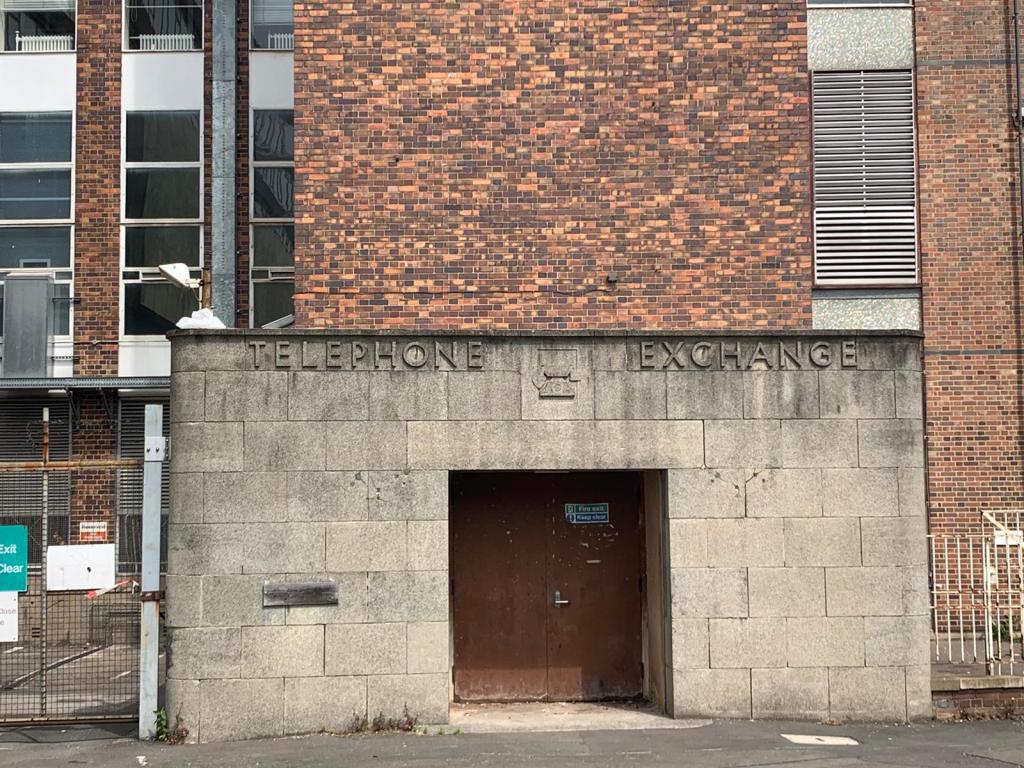
Proceeding further into town the now available office space, which once stood as a Telephone exchange hub, was the first building that sparked a more natural memory recollection. It was the radiators, glaring at me through the windows large cast irons heaters not to unlike the ones in my primary school hall. Immediately reminding me of sitting crossed legged on the floor singing hymns in assembly looking on enviously at the older students that had the then luxury of a P.E bench to sit on. As I took a brief moment to reminisce, what stood out to me next was the buildings sign. The ‘TELEPHONE EXCHANGE’ clearly standing bold and somewhat apart from the rest of its stone surroundings, it made me think, why’s that still there. The building has been inhabited by numerous businesses since its closure, could they not be bothered , liked how it currently looked, weren’t permitted to change it or simply something they hadn’t got around to changing.
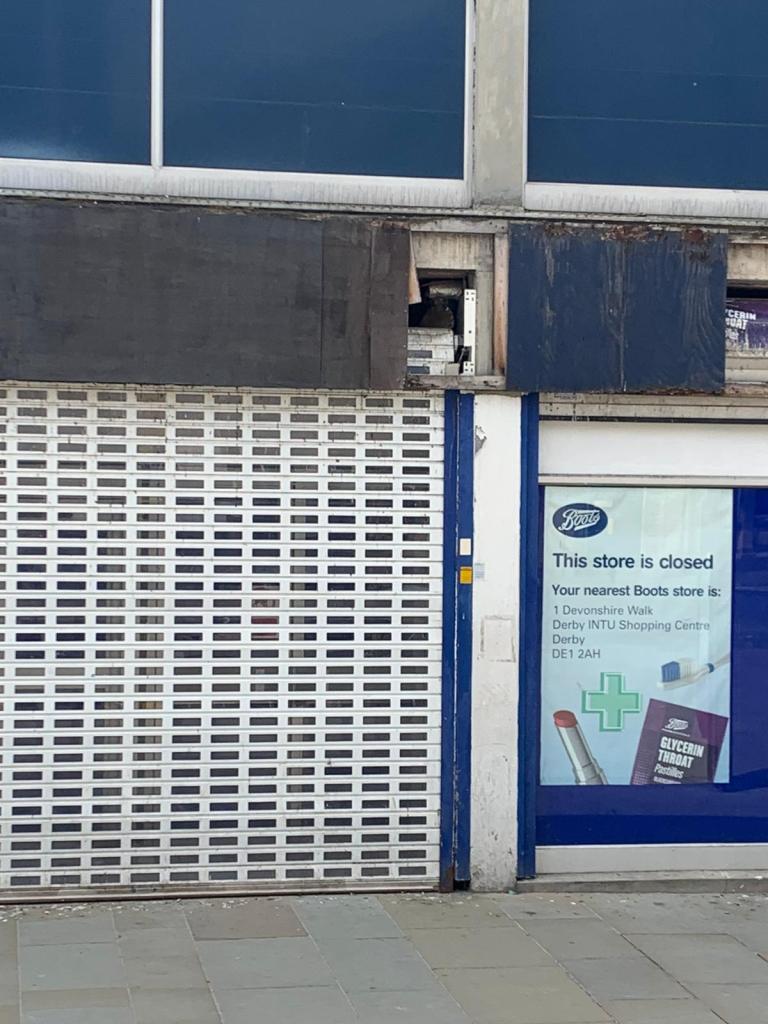
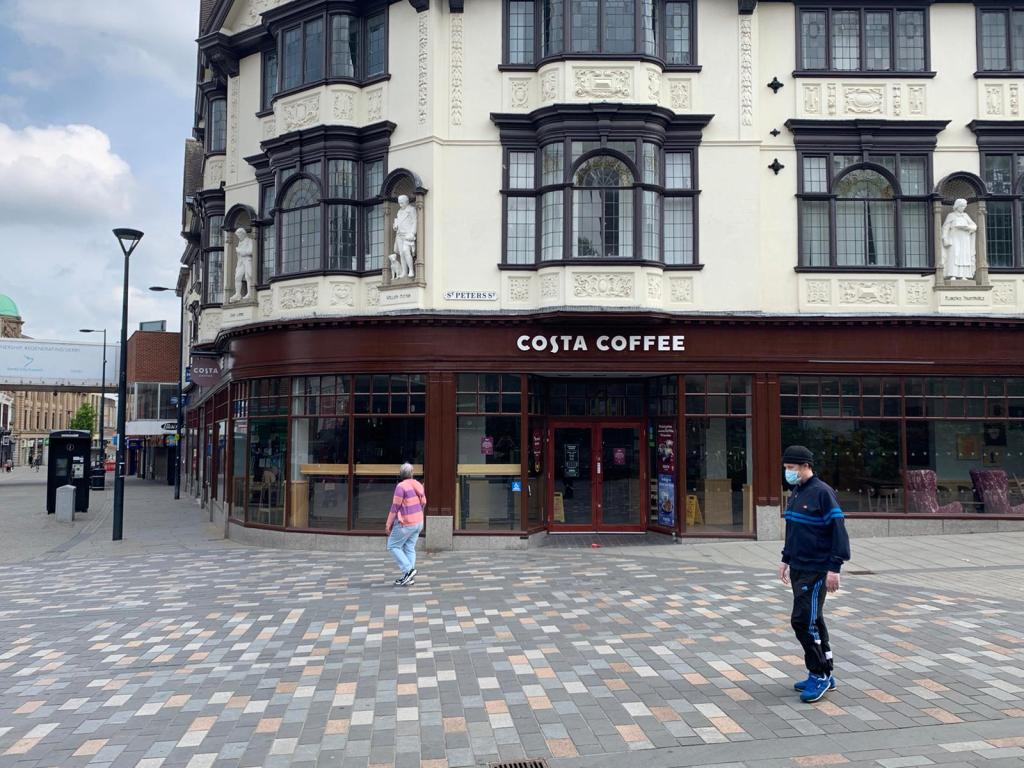
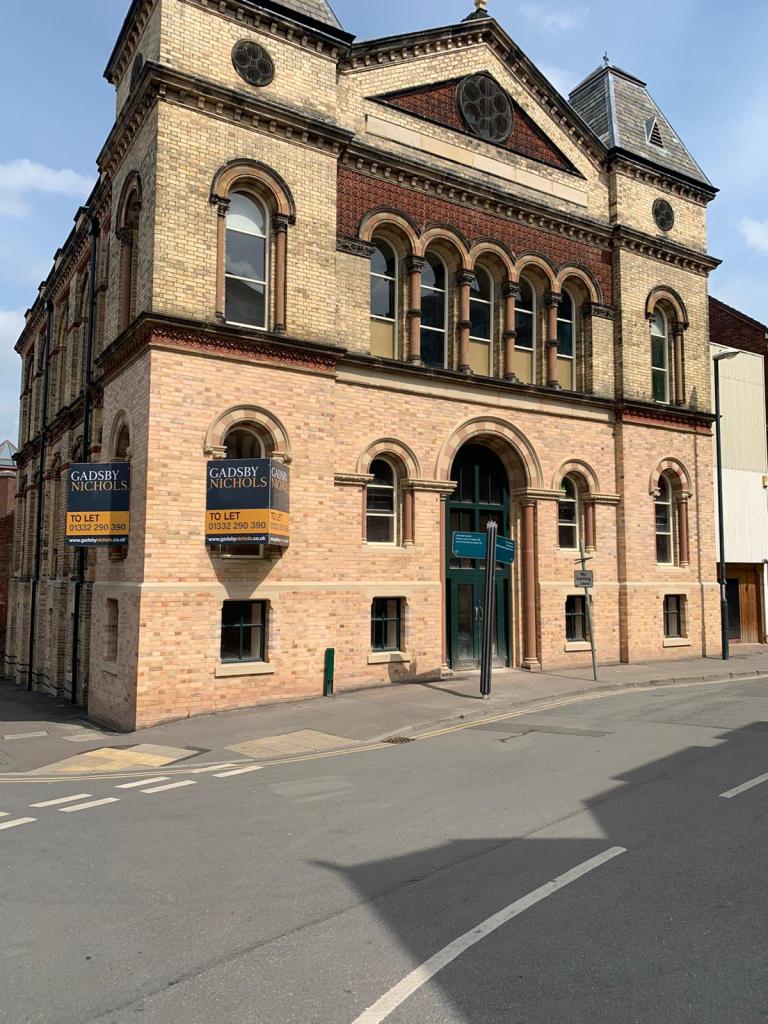
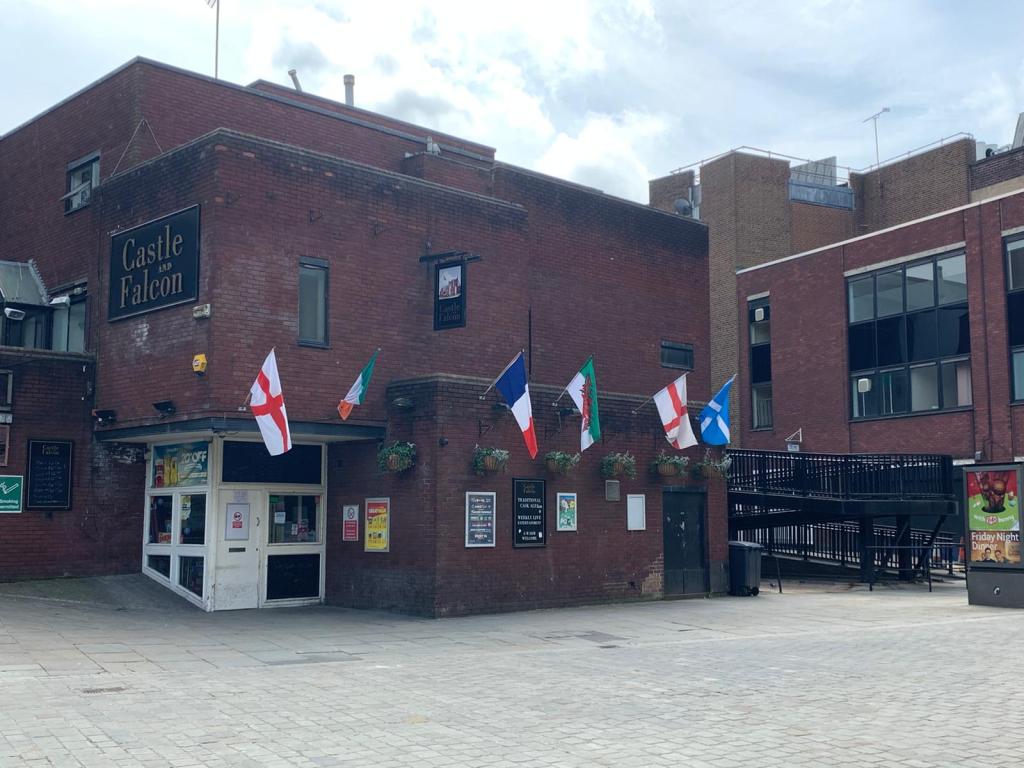
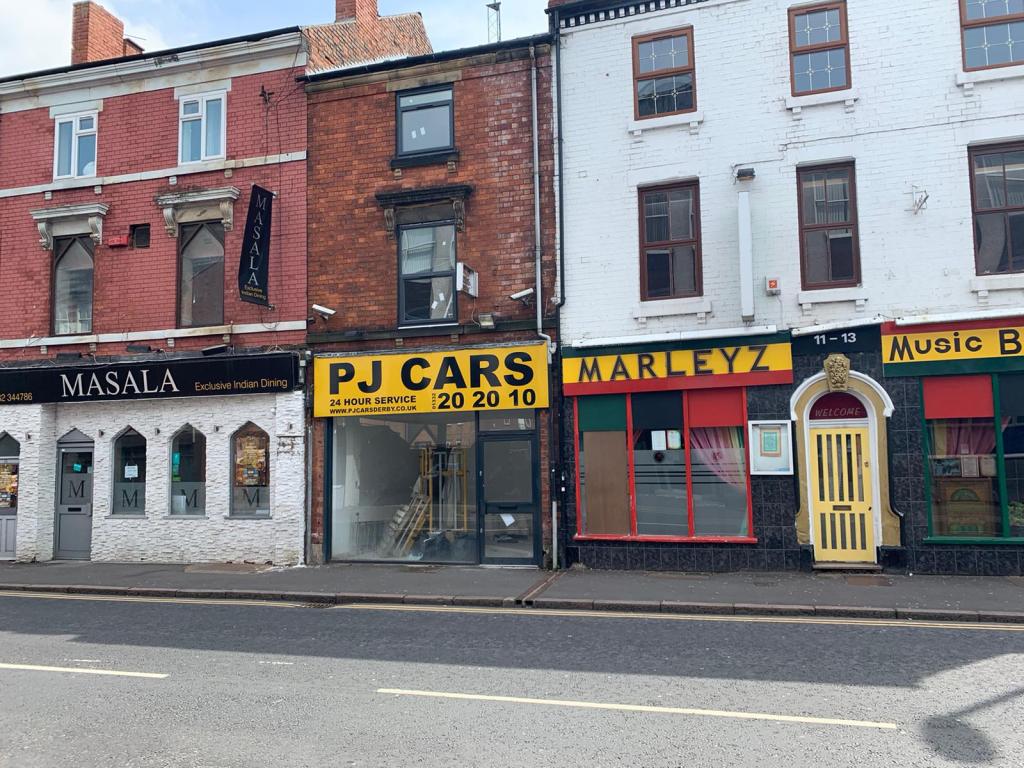
As I continued to delve further into town I couldn’t help but notice , partly as a result of the quiet atmosphere due to the corona virus pandemic and its restrictions to societies lifestyle’s, the amount of empty shops and stores under construction, leaving me to wonder if they are in fact developing or slowing dying. The shop exterior fronts didn’t seem to match the business’s present inside, it all seemed to be somewhat of an organised mess, giving me the notion of a ‘Patchwork Quilt City’. Ignoring the shops that actually seem as they would be functioning if life was at a norm, which I would say is approximately 50%. Leaves the rest of them seemingly a balanced mix of vacant, opening up, closing down, closed for maintenance, under construction or newly constructed stores. Growing up in South West London, including such places as Clapham I have seen for better or for worse what outside investment and the gentrification can do to a town/city, but Derby is different and its town centre to me is evident of that. It seems to me as if Derby cannot decide whether it wants to embrace the times and gentrify or hold on to its past and reside more traditionally. Leaving it with a mix of contrasting shops and business’s, even to include the architecture of the buildings they are in. The dense mix of brand new and purpose-built buildings compared to the more vintage establishments, that where clearly built to last with some living up to that a lot better than others, leave the high street appearing like a concrete collage. However, this doesn’t give me the impression that it’s an economic issue, but rather Derby as a City cannot make its mind up and instead starts on something new rather than finishing current projects or maintaining its existing infrastructure. Giving me the image of a child that moves his food around his plate to give it the impression it’s been consumed, but not actually eating it.
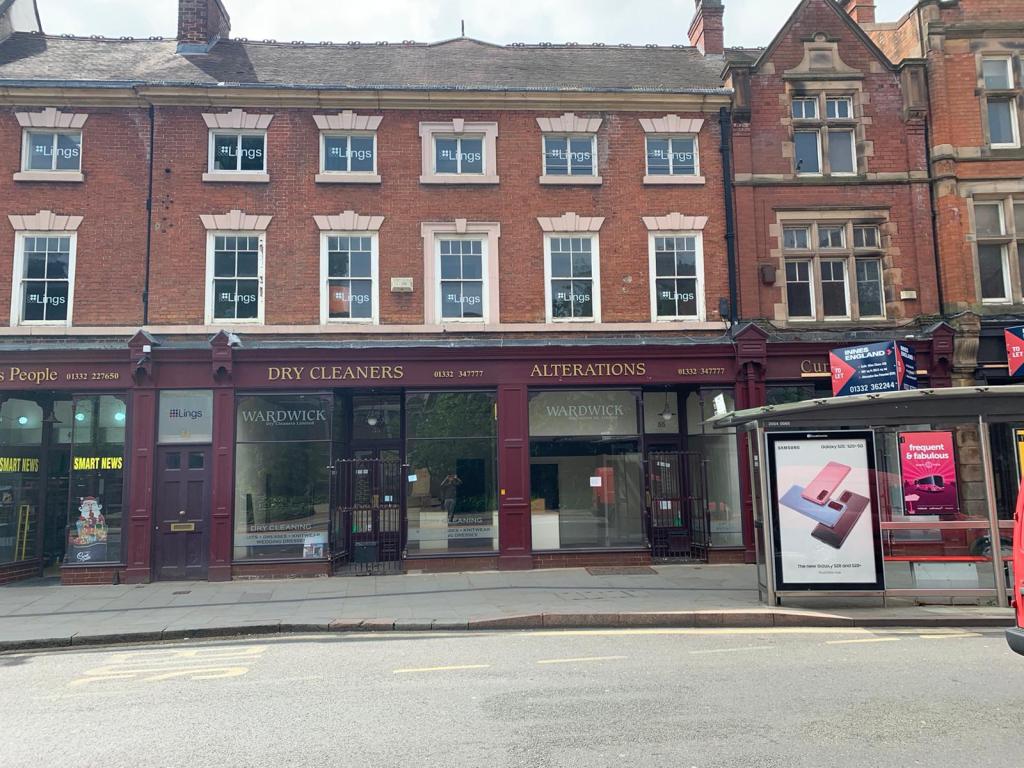
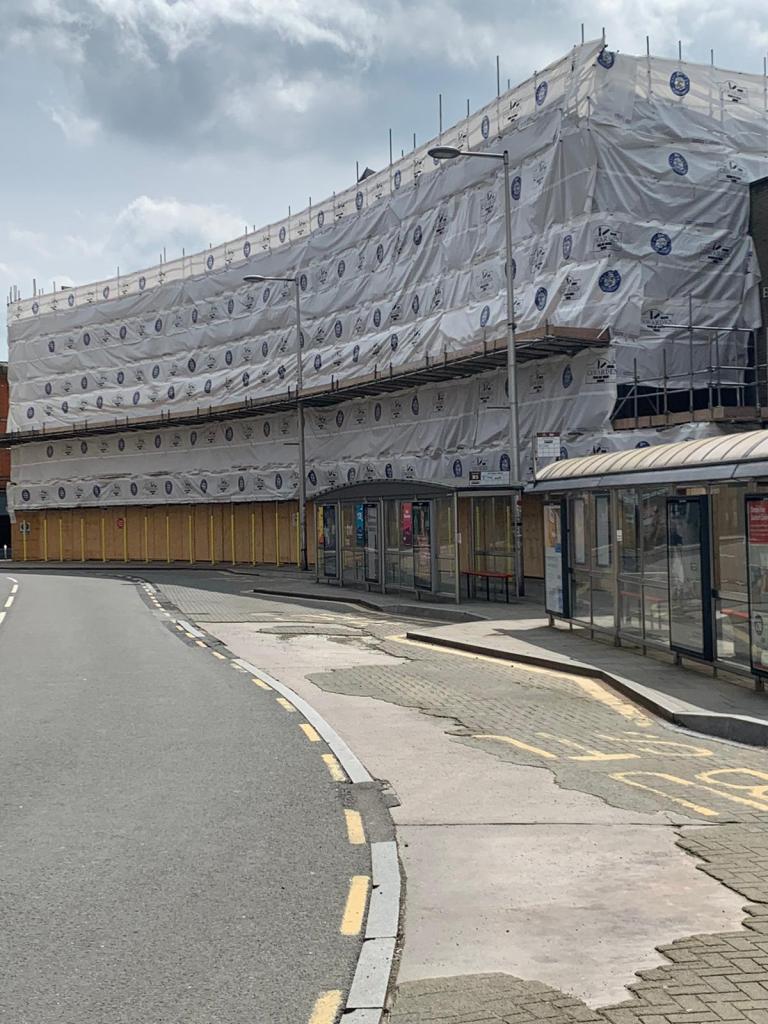
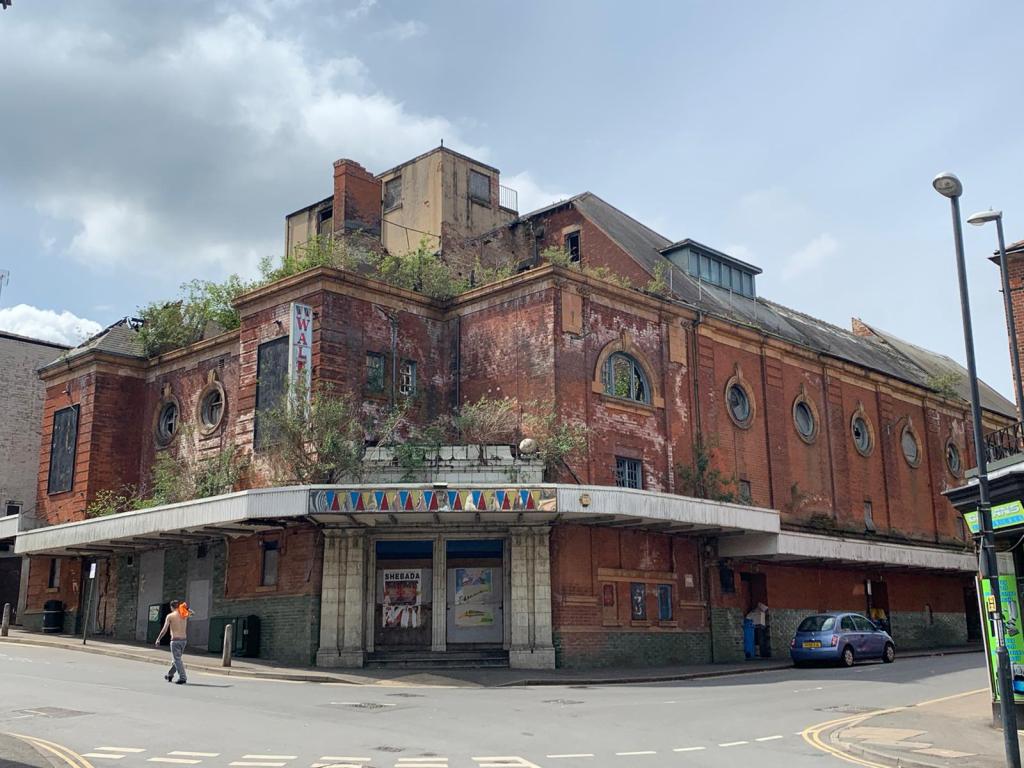
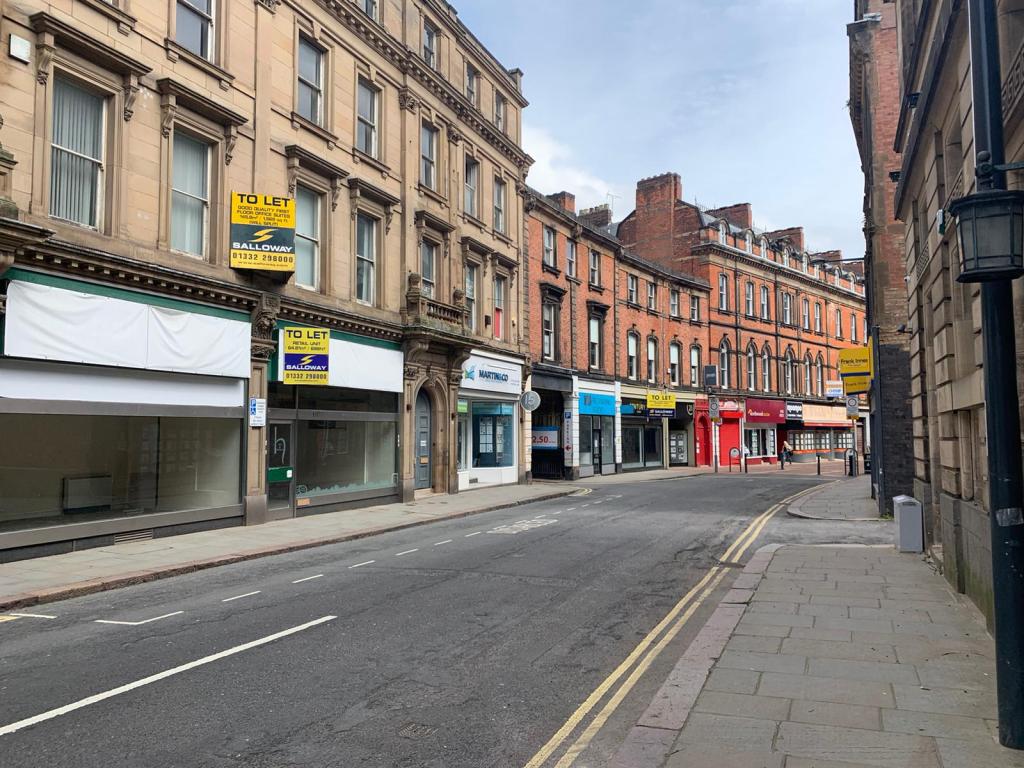
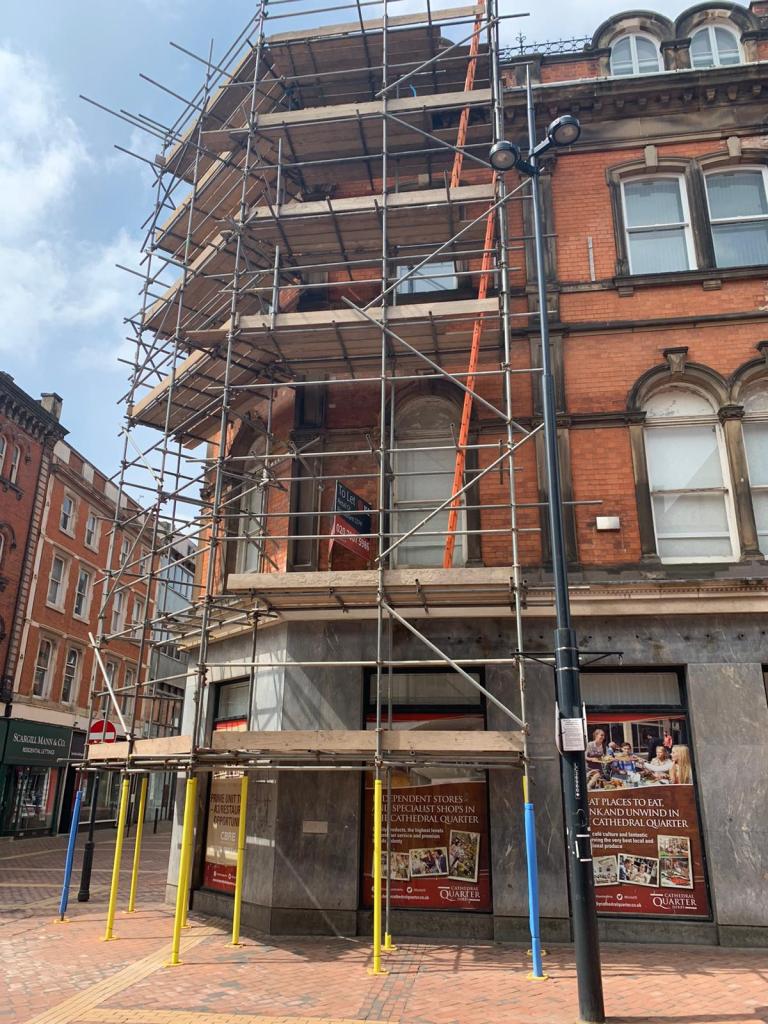
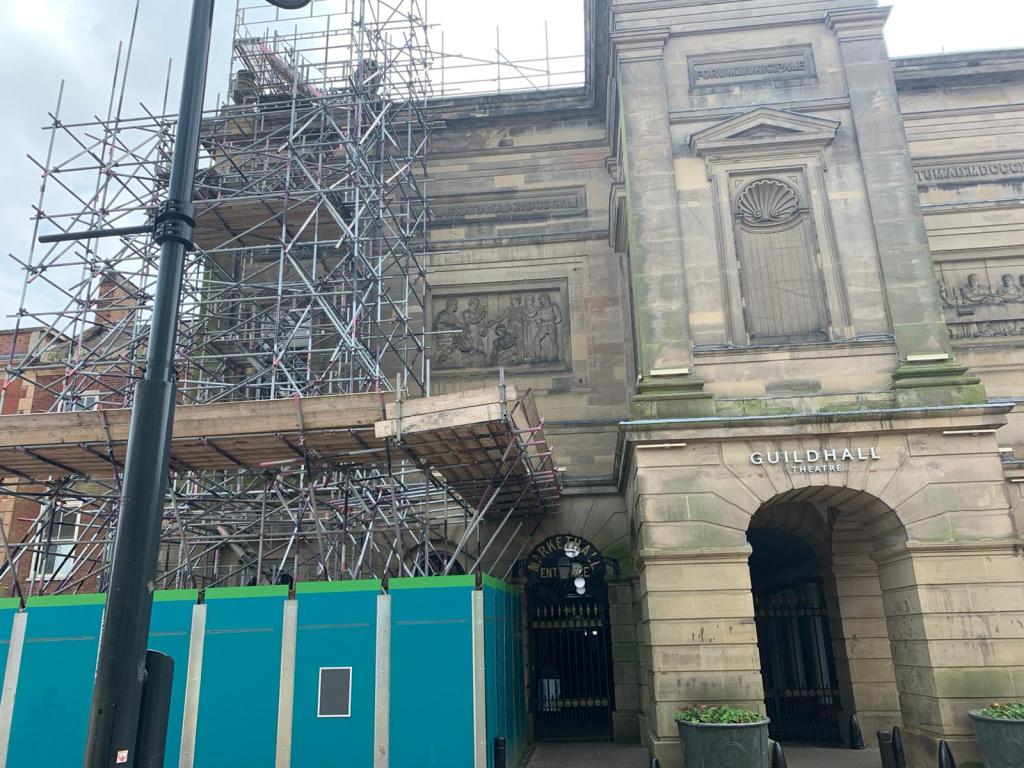
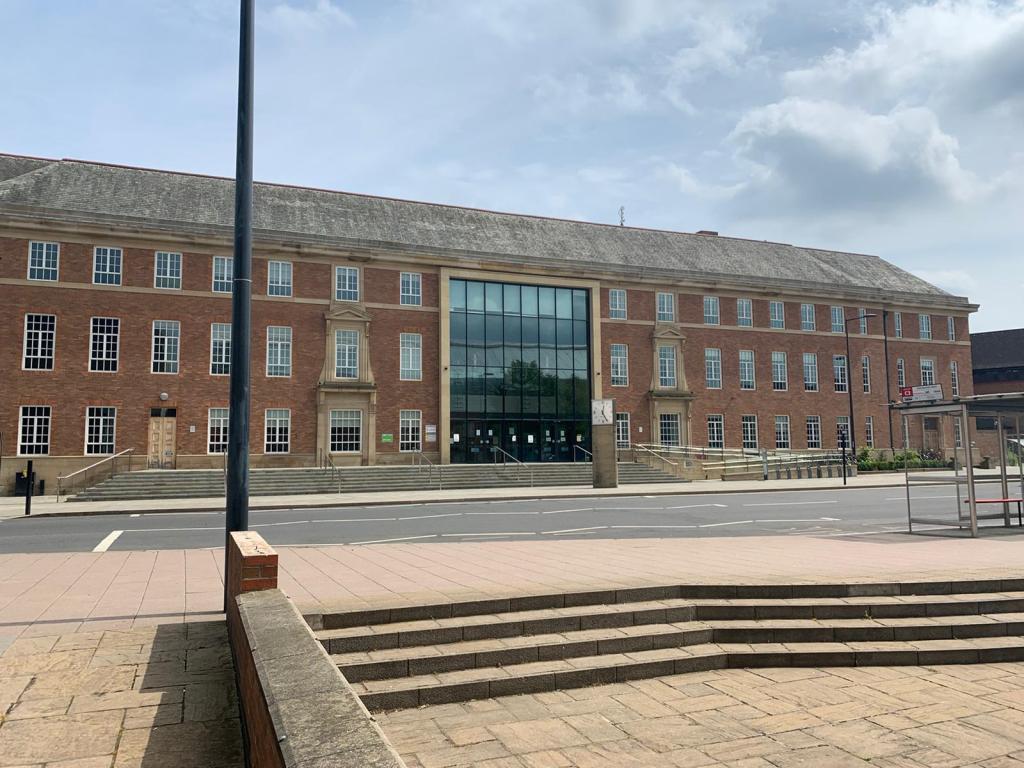

As I continue on my walk which is no longer a simple loop, but me now walking up and down and around like you do in the aisles of a supermarket, by now my subconscious bias trying to find images that support my newfound notion. I couldn’t help but think to myself maybe Derby knows this and is happy to exist in such away. After all it is one of the few English town/cities that still embraces its industrial sector, with the likes of Bombardier and Rolls Royce still heavily present in Derby, refusing to be just a service provider like most others and instead being a hybrid of the two. Why couldn’t it be the same in regard to gentrification and traditionalism? Maybe Derby isn’t procrastinating through gentrification, but instead happy for it to internally differ. After all, like a patchwork quilt, which can have many differing sections that contrast or conflict, new or old still functions and serves a purpose. Just as Derby, with its diverse society, architecture and business’s, works too.
Farley – 100463517
 Derby Urban Sociology
Leave a comment